
The neuroscience of the first five years
More than a million new neural connections are formed every second in the first few years of life. Here's what that means for the way we play, talk and care.
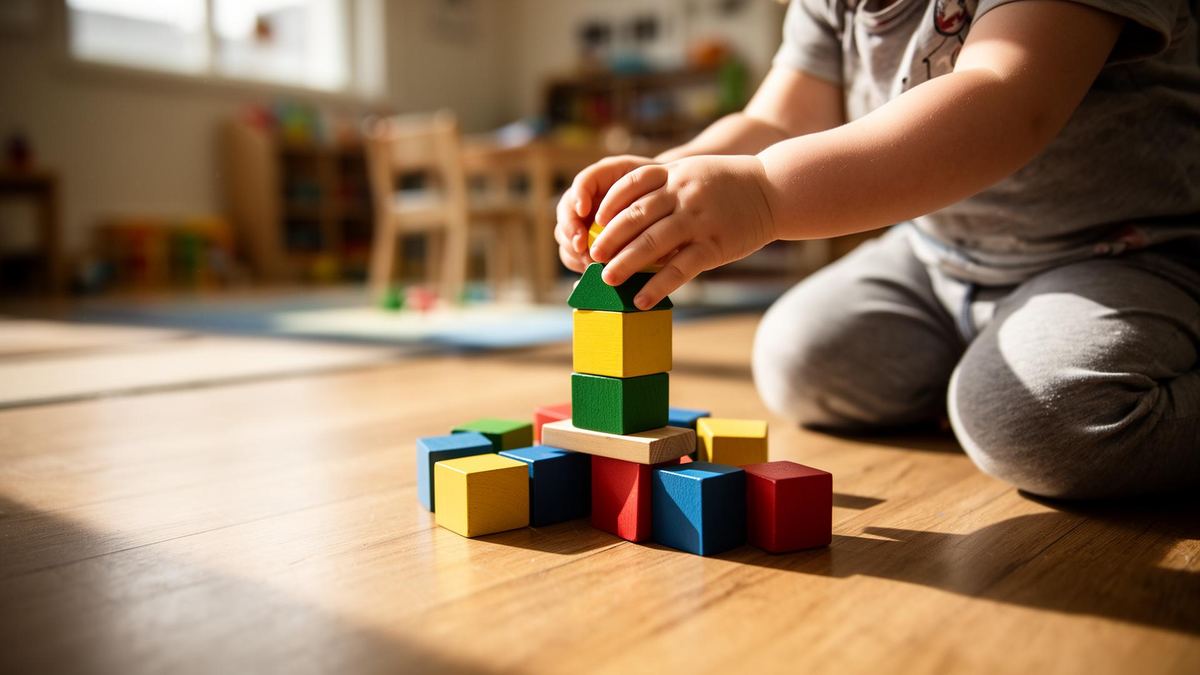
It's a number that gets quoted a lot, over a million new neural connections per second in the early years, but it's worth pausing on. The brain is doing more growing and wiring in the first five years than it ever will again.
What shapes that wiring isn't apps or flashcards. It's relationships. Researchers call them "serve and return" interactions: a baby coos, a grown-up coos back. A toddler points at a bird, you name the bird and look together. Each tiny exchange is a brick in the architecture.
This is why early childhood educators care so much about the small moments. The way we kneel down to listen. The way we follow a child's lead in play instead of redirecting it. The way we name big feelings, "that's frustration", instead of brushing them aside. Each of those is shaping the brain that's being built.
The reassurance for families is that you don't need to do anything fancy. Talk to your child. Listen back. Read together. Be predictable. The science is generous: ordinary, warm, attentive caregiving is exactly what the developing brain is asking for.
Found this useful? Share it with another family.