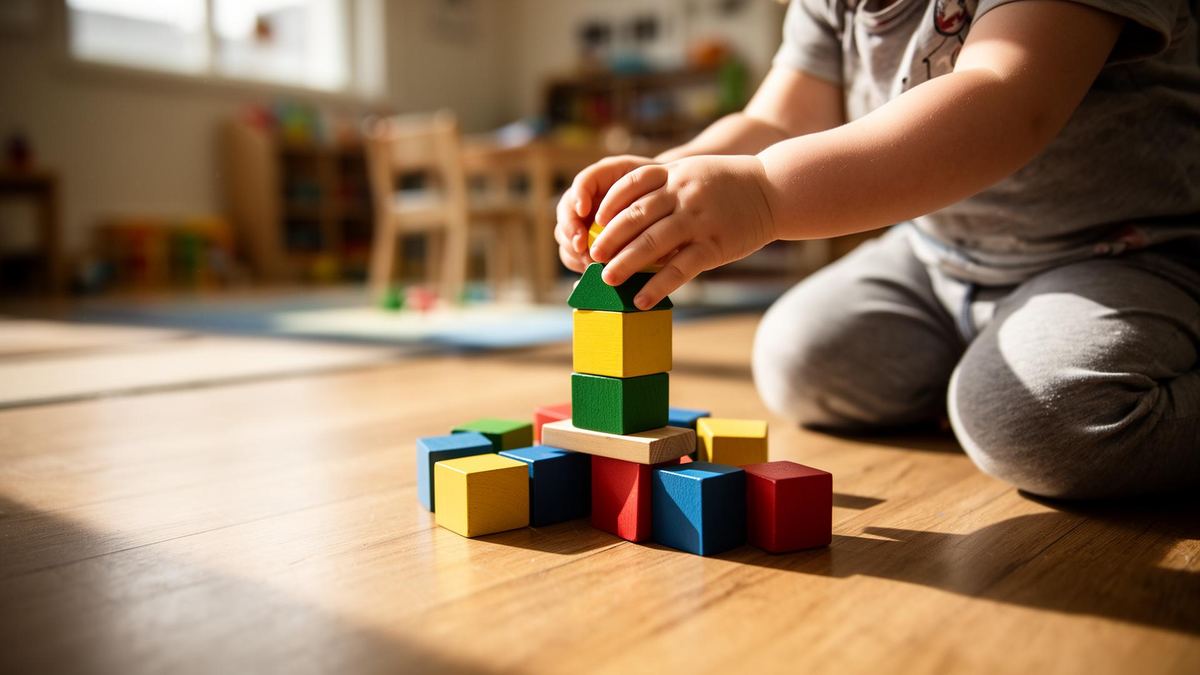
Why nutrition matters more in the early years than at any other age
The first 2,000 days set the metabolic, cognitive and behavioural baseline for life. Here's how we think about food in our centres, and a few ideas you can borrow at home.
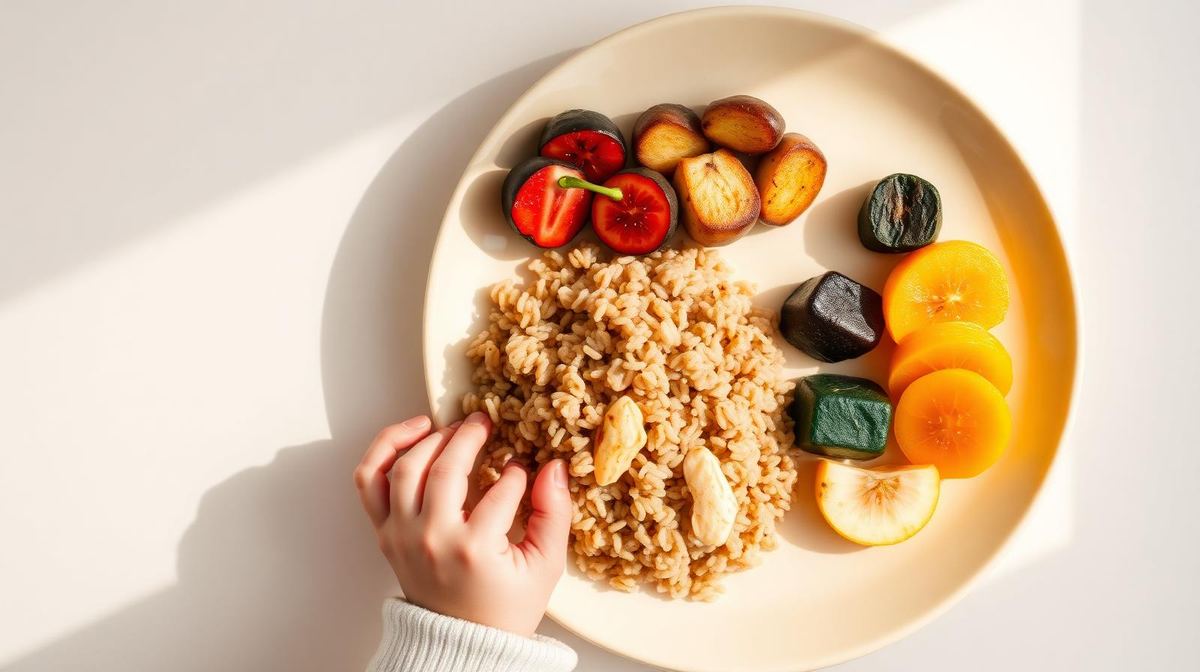
Of all the questions families ask on a tour, food is the one that comes up most. Will my fussy eater be okay? What about allergies? Do you really make it on-site? Yes, yes, and yes, and here's why we take it so seriously.
The first 2,000 days of life are when a child's metabolism, gut microbiome and palate are being set. Iron supports the developing brain. Healthy fats are literally the building blocks of myelin. And the breadth of foods a child is offered before age three is one of the strongest predictors of how varied their diet will be at age ten.
Our centres serve a rotating, dietitian-reviewed menu cooked fresh on-site each day, wholegrains, vegetables in every meal, lean proteins, and zero added sugar. Educators sit and eat with the children, not over them, because we know modelling matters more than any rule.
If you're navigating a fussy phase at home, two things help more than you'd expect: serve a small amount of one new food alongside familiar favourites (no pressure to eat it), and let your child help with the prep. Independence at the chopping board often unlocks independence at the plate.
Found this useful? Share it with another family.